
Blogs
Blogs

Social Selling vs Traditional Outreach: Which Drives Better B2B Results?
Social Selling vs Traditional Outreach: Which B2B Lead Generation Method Drives Better Results?

In the evolving landscape of B2B marketing, the debate between social selling and traditional outreach methods has gained significant traction. Social selling leverages digital platforms to foster relationships and engage potential clients, while traditional outreach relies on established techniques like cold calling and email campaigns. This article will explore the core differences between these two approaches, their effectiveness in lead generation, and the benefits of integrating both strategies. By understanding the nuances of social selling and traditional outreach, businesses can optimize their lead generation efforts and drive better results.
This fundamental shift in marketing approaches is further elaborated by research comparing the strengths and weaknesses of traditional versus digital strategies.
Traditional vs. Digital Marketing: Strengths & Weaknesses
The rise of social media platforms, search engine optimization, and content marketing has led to a fundamental shift from traditional marketing practices. Unlike their predecessors, digital marketing strategies offer real-time engagement, measurable results, and global reach. This article presents a thorough comparison of traditional and digital marketing, highlighting their unique strengths and weaknesses. Bridging The Gap: Integrating Traditional And Digital Marketing For Effective Educational Outreach, 2024
What Are the Core Differences Between Social Selling and Traditional Outreach?
Social selling and traditional outreach differ fundamentally in their approach to engaging potential clients. Social selling focuses on building relationships through platforms like LinkedIn and Twitter, emphasizing personalized interactions and content sharing. In contrast, traditional outreach often employs a more direct approach, utilizing cold calls and mass emails to reach a broader audience. This distinction highlights the varying levels of personalization and engagement effectiveness, with social selling typically fostering deeper connections and trust among prospects.
How Does Social Selling Leverage Digital Platforms for B2B Engagement?
Social selling capitalizes on digital platforms to enhance B2B engagement by facilitating relationship-building and personalized outreach. By utilizing social media, sales professionals can share valuable content, participate in discussions, and connect with potential clients in a more informal setting. This approach not only allows for tailored communication but also positions sales professionals as thought leaders in their industry, ultimately leading to increased trust and engagement from prospects.
What Traditional Outreach Techniques Are Still Effective in B2B Sales?

Despite the rise of social selling, several traditional outreach techniques remain effective in B2B sales. Cold calling, for instance, can still yield positive results when executed with a personalized touch. Email campaigns, particularly those that are well-targeted and crafted, can also drive engagement and conversions. The key to success with these methods lies in the ability to personalize communication and provide value to the recipient, ensuring that outreach efforts resonate with potential clients.
What Are the Key Benefits of Social Selling Strategies for B2B Agencies?
Social selling offers numerous benefits for B2B agencies, enhancing their lead generation efforts significantly. Key advantages include:
- Enhanced Relationship Building: Social selling fosters genuine connections with prospects, leading to stronger relationships and trust.
- Increased Engagement: By sharing relevant content and participating in discussions, agencies can engage potential clients more effectively.
- Thought Leadership: Establishing a presence on social media positions agencies as industry experts, attracting more leads.
For agencies looking to optimize their outreach, integrating social selling strategies can lead to improved results and a more robust client base.
How Does Social Selling Increase Lead Engagement and Conversion Rates?
Social selling increases lead engagement and conversion rates by fostering trust and meaningful interactions. By providing valuable content and engaging in conversations, sales professionals can build rapport with prospects, making them more likely to convert. This personalized approach not only enhances the overall customer experience but also leads to higher conversion rates, as prospects feel more connected to the brand and its offerings.
Which Social Selling Tools and Automation Features Enhance Efficiency?
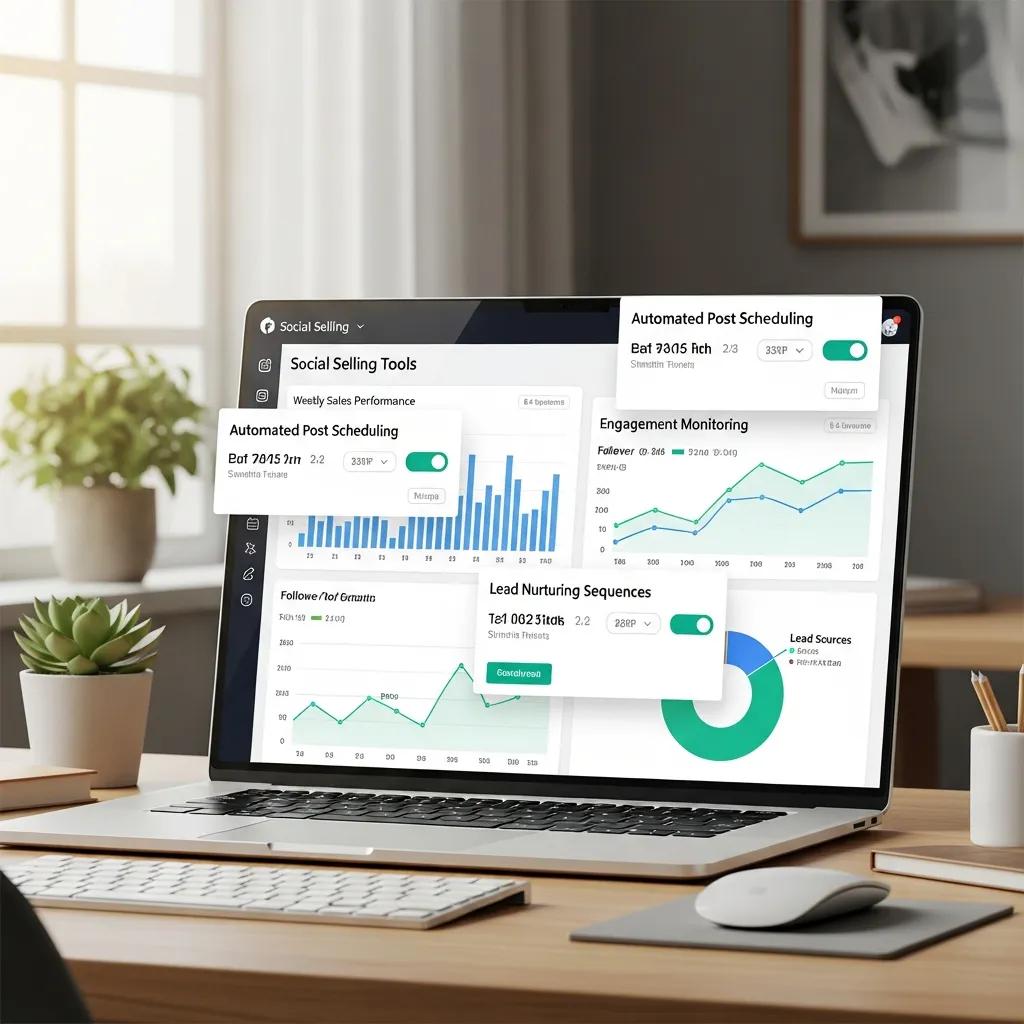
Several social selling tools and automation features can enhance the efficiency of outreach efforts. These tools often include:
- Automated Outreach Capabilities: Streamlining communication processes allows sales teams to focus on building relationships rather than administrative tasks.
- Lead Tracking: Monitoring engagement and interactions helps sales professionals identify high-potential leads and tailor their approach accordingly.
- Performance Analytics: Analyzing data from social selling efforts provides insights into what strategies are working and where improvements can be made.
By leveraging these tools, agencies can optimize their social selling strategies and drive better results.
Further research highlights how various tools and automation features are crucial for assessing and enhancing social selling efforts in B2B lead generation.
B2B Social Selling Assessment & Tools for Lead Generation
Current indicators assess social selling through marketing automation, LinkedIn prospecting tools, Customer Relationship Management (CRM) software tools and employee advocacy. The role of social selling in improving lead generation in a B2B organization, 2023
How Effective Are Outbound Sales Techniques Compared to Social Selling?
When comparing outbound sales techniques to social selling, the effectiveness of each approach can vary based on the target audience and industry. Outbound techniques, such as cold calling, can be effective for reaching a large number of prospects quickly. However, social selling often yields higher engagement rates due to its focus on relationship-building and personalized communication. Ultimately, the best approach may involve a combination of both methods, allowing agencies to maximize their outreach efforts.
What Metrics Demonstrate Traditional Outreach Success in B2B Lead Generation?
To measure the success of traditional outreach methods in B2B lead generation, several key metrics can be analyzed:
- Response Rates: Tracking the percentage of prospects who respond to outreach efforts provides insight into the effectiveness of communication strategies.
- Lead Conversion Rates: Measuring the percentage of leads that convert into customers helps assess the overall success of outreach campaigns.
- Customer Acquisition Costs: Analyzing the costs associated with acquiring new customers through traditional outreach can inform budget allocation and strategy adjustments.
By monitoring these metrics, agencies can evaluate the effectiveness of their traditional outreach efforts and make data-driven decisions to improve results.
What Are the Limitations and Challenges of Cold Calling and Email Campaigns?
While cold calling and email campaigns can be effective, they also come with limitations and challenges. Some of the key issues include:
- Legal Restrictions: Regulations such as GDPR and CAN-SPAM can limit outreach efforts and impose penalties for non-compliance.
- Negative Perception: Many prospects view cold calls and unsolicited emails as intrusive, leading to a negative perception of the brand.
- Resource Intensity: Traditional outreach methods often require significant time and resources, which can strain sales teams.
Understanding these challenges is crucial for agencies looking to optimize their outreach strategies and minimize potential pitfalls.
How Can Agencies Combine Social Selling and Traditional Outreach for Optimal Results?
Agencies can achieve optimal results by combining social selling and traditional outreach methods. This integrated approach allows for personalized communication while still leveraging the efficiency of traditional techniques. By utilizing social media to build relationships and following up with targeted cold calls or emails, agencies can create a comprehensive outreach strategy that maximizes engagement and conversion rates.
Indeed, the strategic integration of various communication channels is crucial for improving qualified lead generation in the B2B industry.
Integrated Marketing Communications for B2B Lead Generation
ABSTRACT: The Austrian company B&R Industrial Automation GmbH, which is internationally doing business in the industrial goods sector, faces the problem that lead generation and qualification do not follow a strategically predefined process. In order to solve this challenge, an internationally integrated mar-keting communications concept for improving qualified lead generation was created within the framework of this master thesis. … integrated omnichannel communications concept for B&R Industrial Automation GmbH: Improving the qualified lead generation within the B2B industry sector by …, 2020
What Are Best Practices for Integrating Multi-Channel Outreach Strategies?
To effectively integrate multi-channel outreach strategies, agencies should consider the following best practices:
- Understanding the Buyer Journey: Tailoring outreach efforts to align with the different stages of the buyer journey ensures that communication is relevant and timely.
- Choosing Complementary Channels: Selecting channels that work well together, such as social media and email, can enhance overall outreach effectiveness.
- Measuring Success with KPIs: Establishing key performance indicators (KPIs) allows agencies to track the success of their multi-channel strategies and make necessary adjustments.
By following these best practices, agencies can create a cohesive outreach strategy that leverages the strengths of both social selling and traditional methods.
How Does Outreach Automation Facilitate Seamless Social and Traditional Campaigns?
Outreach automation plays a crucial role in facilitating seamless social and traditional campaigns by streamlining processes and enhancing efficiency. Automation tools can help manage communication across multiple channels, ensuring that messages are delivered consistently and at the right time. This not only saves time for sales professionals but also allows for more personalized interactions with prospects, ultimately leading to improved engagement and conversion rates.
Which Automated Outreach Tools and Platforms Support B2B Lead Generation?
Several social selling tools and automation features can enhance the efficiency of outreach efforts. These tools often include:
- Multi-Channel Communication: Enabling outreach across various platforms, including email, social media, and SMS.
- Automated Messaging Capabilities: Streamlining communication processes to ensure timely follow-ups and consistent messaging.
- Analytics and Reporting Tools: Providing insights into outreach performance and helping agencies make data-driven decisions.
By utilizing these tools, agencies can enhance their lead generation efforts and drive better results.
What Features Should Agencies Look for in B2B Outreach Automation Platforms?
When selecting B2B outreach automation platforms, agencies should consider the following key features:
- Customizable Templates: The ability to create tailored messaging that resonates with specific target audiences.
- Automated Follow-Ups: Ensuring that prospects receive timely follow-ups without manual intervention.
- User-Friendliness: A platform that is easy to navigate and use, allowing sales teams to focus on outreach rather than technical issues.
By prioritizing these features, agencies can select the right automation tools to support their outreach efforts effectively.
How Do Automation Tools Improve Sales Professionals’ Productivity and Compliance?
Automation tools significantly improve sales professionals' productivity and compliance by streamlining repetitive tasks and enhancing organization. By automating processes such as lead tracking and follow-ups, sales teams can focus on high-value activities, such as building relationships and closing deals. Additionally, these tools help maintain organized pipelines, ensuring that sales professionals remain compliant with regulations and best practices.
What Case Studies Demonstrate Success Using Social Selling and Outreach Automation?
Numerous case studies illustrate the success of social selling and outreach automation in driving B2B lead generation. For instance, companies that have implemented social selling strategies often report a reduction in client management costs and an increase in profitability. Furthermore, businesses utilizing outreach automation tools have seen significant improvements in lead conversion rates, showcasing the effectiveness of these strategies in the modern B2B landscape.
How Have Digital Agencies Increased Conversion Rates with Social Selling Automation?
Digital agencies have successfully increased conversion rates through social selling automation by implementing strategies such as automated lead scoring and continuous optimization of outreach efforts. By leveraging data-driven insights, agencies can identify high-potential leads and tailor their communication accordingly. This targeted approach not only enhances engagement but also leads to higher conversion rates, demonstrating the value of social selling automation in the B2B space.
What Industry Trends Support the Shift Toward Automated Multi-Channel Outreach?
Several industry trends support the shift toward automated multi-channel outreach, including the rise of AI-driven tools and the demand for personalized marketing experiences. As businesses increasingly recognize the importance of integrating multiple channels, the need for automation becomes paramount. By embracing these trends, agencies can enhance their outreach efforts and stay competitive in the ever-evolving B2B landscape.

Social Selling vs Traditional Outreach: Which Drives Better B2B Results?
Social Selling vs Traditional Outreach: Which B2B Lead Generation Method Drives Better Results?
In the evolving landscape of B2B marketing, the debate between social selling and traditional outreach methods has gained significant traction. Social selling leverages digital platforms to foster relationships and engage potential clients, while traditional outreach relies on established techniques like cold calling and email campaigns. This article will explore the core differences between these two approaches, their effectiveness in lead generation, and the benefits of integrating both strategies. By understanding the nuances of social selling and traditional outreach, businesses can optimize their lead generation efforts and drive better results.
This fundamental shift in marketing approaches is further elaborated by research comparing the strengths and weaknesses of traditional versus digital strategies.
Traditional vs. Digital Marketing: Strengths & Weaknesses
The rise of social media platforms, search engine optimization, and content marketing has led to a fundamental shift from traditional marketing practices. Unlike their predecessors, digital marketing strategies offer real-time engagement, measurable results, and global reach. This article presents a thorough comparison of traditional and digital marketing, highlighting their unique strengths and weaknesses. Bridging The Gap: Integrating Traditional And Digital Marketing For Effective Educational Outreach, 2024
What Are the Core Differences Between Social Selling and Traditional Outreach?
Social selling and traditional outreach differ fundamentally in their approach to engaging potential clients. Social selling focuses on building relationships through platforms like LinkedIn and Twitter, emphasizing personalized interactions and content sharing. In contrast, traditional outreach often employs a more direct approach, utilizing cold calls and mass emails to reach a broader audience. This distinction highlights the varying levels of personalization and engagement effectiveness, with social selling typically fostering deeper connections and trust among prospects.
How Does Social Selling Leverage Digital Platforms for B2B Engagement?
Social selling capitalizes on digital platforms to enhance B2B engagement by facilitating relationship-building and personalized outreach. By utilizing social media, sales professionals can share valuable content, participate in discussions, and connect with potential clients in a more informal setting. This approach not only allows for tailored communication but also positions sales professionals as thought leaders in their industry, ultimately leading to increased trust and engagement from prospects.
What Traditional Outreach Techniques Are Still Effective in B2B Sales?
Despite the rise of social selling, several traditional outreach techniques remain effective in B2B sales. Cold calling, for instance, can still yield positive results when executed with a personalized touch. Email campaigns, particularly those that are well-targeted and crafted, can also drive engagement and conversions. The key to success with these methods lies in the ability to personalize communication and provide value to the recipient, ensuring that outreach efforts resonate with potential clients.
What Are the Key Benefits of Social Selling Strategies for B2B Agencies?
Social selling offers numerous benefits for B2B agencies, enhancing their lead generation efforts significantly. Key advantages include:
- Enhanced Relationship Building: Social selling fosters genuine connections with prospects, leading to stronger relationships and trust.
- Increased Engagement: By sharing relevant content and participating in discussions, agencies can engage potential clients more effectively.
- Thought Leadership: Establishing a presence on social media positions agencies as industry experts, attracting more leads.
For agencies looking to optimize their outreach, integrating social selling strategies can lead to improved results and a more robust client base.
How Does Social Selling Increase Lead Engagement and Conversion Rates?
Social selling increases lead engagement and conversion rates by fostering trust and meaningful interactions. By providing valuable content and engaging in conversations, sales professionals can build rapport with prospects, making them more likely to convert. This personalized approach not only enhances the overall customer experience but also leads to higher conversion rates, as prospects feel more connected to the brand and its offerings.
Which Social Selling Tools and Automation Features Enhance Efficiency?
Several social selling tools and automation features can enhance the efficiency of outreach efforts. These tools often include:
- Automated Outreach Capabilities: Streamlining communication processes allows sales teams to focus on building relationships rather than administrative tasks.
- Lead Tracking: Monitoring engagement and interactions helps sales professionals identify high-potential leads and tailor their approach accordingly.
- Performance Analytics: Analyzing data from social selling efforts provides insights into what strategies are working and where improvements can be made.
By leveraging these tools, agencies can optimize their social selling strategies and drive better results.
Further research highlights how various tools and automation features are crucial for assessing and enhancing social selling efforts in B2B lead generation.
B2B Social Selling Assessment & Tools for Lead Generation
Current indicators assess social selling through marketing automation, LinkedIn prospecting tools, Customer Relationship Management (CRM) software tools and employee advocacy. The role of social selling in improving lead generation in a B2B organization, 2023
How Effective Are Outbound Sales Techniques Compared to Social Selling?
When comparing outbound sales techniques to social selling, the effectiveness of each approach can vary based on the target audience and industry. Outbound techniques, such as cold calling, can be effective for reaching a large number of prospects quickly. However, social selling often yields higher engagement rates due to its focus on relationship-building and personalized communication. Ultimately, the best approach may involve a combination of both methods, allowing agencies to maximize their outreach efforts.
What Metrics Demonstrate Traditional Outreach Success in B2B Lead Generation?
To measure the success of traditional outreach methods in B2B lead generation, several key metrics can be analyzed:
- Response Rates: Tracking the percentage of prospects who respond to outreach efforts provides insight into the effectiveness of communication strategies.
- Lead Conversion Rates: Measuring the percentage of leads that convert into customers helps assess the overall success of outreach campaigns.
- Customer Acquisition Costs: Analyzing the costs associated with acquiring new customers through traditional outreach can inform budget allocation and strategy adjustments.
By monitoring these metrics, agencies can evaluate the effectiveness of their traditional outreach efforts and make data-driven decisions to improve results.
What Are the Limitations and Challenges of Cold Calling and Email Campaigns?
While cold calling and email campaigns can be effective, they also come with limitations and challenges. Some of the key issues include:
- Legal Restrictions: Regulations such as GDPR and CAN-SPAM can limit outreach efforts and impose penalties for non-compliance.
- Negative Perception: Many prospects view cold calls and unsolicited emails as intrusive, leading to a negative perception of the brand.
- Resource Intensity: Traditional outreach methods often require significant time and resources, which can strain sales teams.
Understanding these challenges is crucial for agencies looking to optimize their outreach strategies and minimize potential pitfalls.
How Can Agencies Combine Social Selling and Traditional Outreach for Optimal Results?
Agencies can achieve optimal results by combining social selling and traditional outreach methods. This integrated approach allows for personalized communication while still leveraging the efficiency of traditional techniques. By utilizing social media to build relationships and following up with targeted cold calls or emails, agencies can create a comprehensive outreach strategy that maximizes engagement and conversion rates.
Indeed, the strategic integration of various communication channels is crucial for improving qualified lead generation in the B2B industry.
Integrated Marketing Communications for B2B Lead Generation
ABSTRACT: The Austrian company B&R Industrial Automation GmbH, which is internationally doing business in the industrial goods sector, faces the problem that lead generation and qualification do not follow a strategically predefined process. In order to solve this challenge, an internationally integrated mar-keting communications concept for improving qualified lead generation was created within the framework of this master thesis. … integrated omnichannel communications concept for B&R Industrial Automation GmbH: Improving the qualified lead generation within the B2B industry sector by …, 2020
What Are Best Practices for Integrating Multi-Channel Outreach Strategies?
To effectively integrate multi-channel outreach strategies, agencies should consider the following best practices:
- Understanding the Buyer Journey: Tailoring outreach efforts to align with the different stages of the buyer journey ensures that communication is relevant and timely.
- Choosing Complementary Channels: Selecting channels that work well together, such as social media and email, can enhance overall outreach effectiveness.
- Measuring Success with KPIs: Establishing key performance indicators (KPIs) allows agencies to track the success of their multi-channel strategies and make necessary adjustments.
By following these best practices, agencies can create a cohesive outreach strategy that leverages the strengths of both social selling and traditional methods.
How Does Outreach Automation Facilitate Seamless Social and Traditional Campaigns?
Outreach automation plays a crucial role in facilitating seamless social and traditional campaigns by streamlining processes and enhancing efficiency. Automation tools can help manage communication across multiple channels, ensuring that messages are delivered consistently and at the right time. This not only saves time for sales professionals but also allows for more personalized interactions with prospects, ultimately leading to improved engagement and conversion rates.
Which Automated Outreach Tools and Platforms Support B2B Lead Generation?
Several social selling tools and automation features can enhance the efficiency of outreach efforts. These tools often include:
- Multi-Channel Communication: Enabling outreach across various platforms, including email, social media, and SMS.
- Automated Messaging Capabilities: Streamlining communication processes to ensure timely follow-ups and consistent messaging.
- Analytics and Reporting Tools: Providing insights into outreach performance and helping agencies make data-driven decisions.
By utilizing these tools, agencies can enhance their lead generation efforts and drive better results.
What Features Should Agencies Look for in B2B Outreach Automation Platforms?
When selecting B2B outreach automation platforms, agencies should consider the following key features:
- Customizable Templates: The ability to create tailored messaging that resonates with specific target audiences.
- Automated Follow-Ups: Ensuring that prospects receive timely follow-ups without manual intervention.
- User-Friendliness: A platform that is easy to navigate and use, allowing sales teams to focus on outreach rather than technical issues.
By prioritizing these features, agencies can select the right automation tools to support their outreach efforts effectively.
How Do Automation Tools Improve Sales Professionals’ Productivity and Compliance?
Automation tools significantly improve sales professionals' productivity and compliance by streamlining repetitive tasks and enhancing organization. By automating processes such as lead tracking and follow-ups, sales teams can focus on high-value activities, such as building relationships and closing deals. Additionally, these tools help maintain organized pipelines, ensuring that sales professionals remain compliant with regulations and best practices.
What Case Studies Demonstrate Success Using Social Selling and Outreach Automation?
Numerous case studies illustrate the success of social selling and outreach automation in driving B2B lead generation. For instance, companies that have implemented social selling strategies often report a reduction in client management costs and an increase in profitability. Furthermore, businesses utilizing outreach automation tools have seen significant improvements in lead conversion rates, showcasing the effectiveness of these strategies in the modern B2B landscape.
How Have Digital Agencies Increased Conversion Rates with Social Selling Automation?
Digital agencies have successfully increased conversion rates through social selling automation by implementing strategies such as automated lead scoring and continuous optimization of outreach efforts. By leveraging data-driven insights, agencies can identify high-potential leads and tailor their communication accordingly. This targeted approach not only enhances engagement but also leads to higher conversion rates, demonstrating the value of social selling automation in the B2B space.
What Industry Trends Support the Shift Toward Automated Multi-Channel Outreach?
Several industry trends support the shift toward automated multi-channel outreach, including the rise of AI-driven tools and the demand for personalized marketing experiences. As businesses increasingly recognize the importance of integrating multiple channels, the need for automation becomes paramount. By embracing these trends, agencies can enhance their outreach efforts and stay competitive in the ever-evolving B2B landscape.


