The LinkedIn Lead Generation Framework: Best Practices for B2B Success
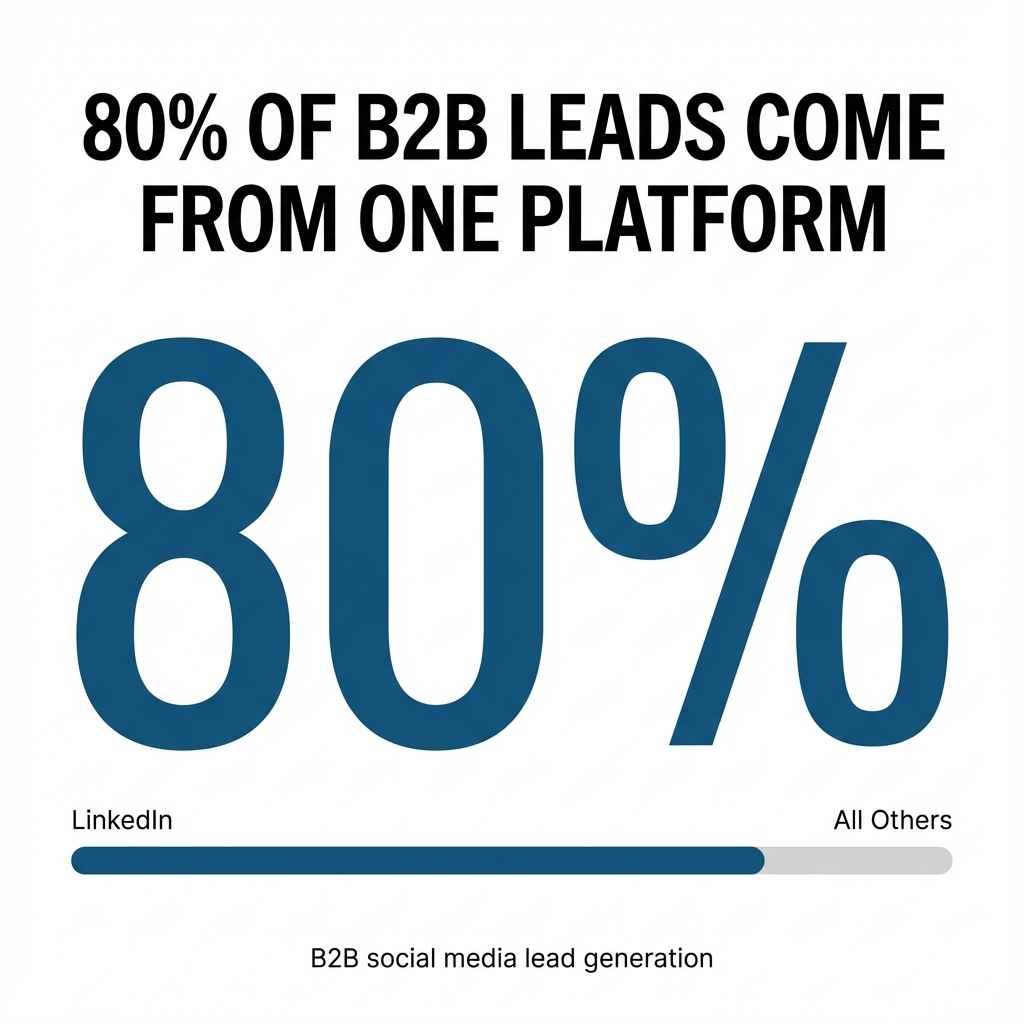
LinkedIn generates 80% of B2B social media leads.
That single statistic explains why digital agencies and lead generation businesses treat this platform differently than any other social channel. The opportunity is real, but the approach requires precision.
We've analyzed hundreds of revenue-generating profiles and campaigns over the past two decades in B2B marketing technology. The patterns are clear. The businesses winning on LinkedIn follow a systematic framework that combines profile optimization, content strategy, strategic outreach, and relationship nurturing.
Here's what actually works.
Why LinkedIn Demands a Different Approach
LinkedIn functions as a 24/7 sales tool, but most businesses misunderstand its core mechanics.
The platform operates on professional context. Every interaction happens in an environment where people expect business conversations. This changes everything about how you should approach lead generation.
The platform economics favor creators. A small percentage of users create content, which means less competition for attention. When you post consistently, you gain disproportionate visibility among decision-makers who actively browse but rarely publish.
The algorithm rewards consistent engagement patterns. Post regularly, engage authentically with your network, and the platform amplifies your reach. Skip a week, and you start from scratch.
Personal profiles outperform company pages by significant margins. The algorithm prioritizes content from individuals because people connect with people. Company pages cannot build trust the same way a personal profile can.
This creates a fundamental shift in strategy. Your team members become your distribution network. Their profiles, their content, their connections drive your lead generation results.
Profile Optimization: Your Foundation
Your profile functions as your first conversation with every prospect.
Most profiles miss the mark. They list job titles and responsibilities. They describe what someone does rather than the problems they solve.
Optimized profiles establish authority immediately. Your headline should communicate the specific problem you solve for a specific audience. Your about section should tell a story that resonates with your ideal client.
We've seen this pattern across hundreds of successful profiles. The ones that generate inbound conversations focus on outcomes, not credentials.
Your experience section needs strategic structure. Each role should highlight measurable results. Numbers matter. Percentages matter. Specific achievements matter more than vague descriptions of responsibilities.
Recommendations build credibility before you ever send a connection request. Aim for 40+ recommendations from known connections. This social proof signals trustworthiness to prospects reviewing your profile.
The featured section deserves attention. Showcase your best content, case studies, or resources. Give visitors a reason to engage beyond reading your profile.
Content Strategy: Building Trust at Scale
Content systematization separates consistent performers from occasional posters.
The LinkedIn algorithm rewards regular publishing. Three to five posts per week establishes you as an active voice in your space. Less than that, and you fade into the background.
Authenticity outperforms polish. Personal stories, lessons learned, and honest perspectives generate higher engagement than corporate announcements or promotional content.
We've tracked engagement patterns across thousands of posts. The content that performs best shares genuine insights from real experience. Your audience can spot manufactured content immediately.
Carousel posts generate higher engagement than single images. The format encourages interaction as viewers swipe through slides. Use this format for frameworks, step-by-step processes, or data visualizations.
Every post functions as a conversation starter. Your content should invite response, not just broadcast information. Ask for perspectives. Share controversial opinions. Present problems without immediate solutions.
Consistency builds trust and authority. When prospects see your name repeatedly in their feed, you become a known entity. This visibility compounds over time, creating credibility before you ever reach out directly.
The algorithm prioritizes engagement from your existing network. Comment on posts from connections. Respond to every comment on your content. This activity signals to LinkedIn that your content deserves broader distribution.
Strategic Outreach: The Four-Stage Framework
Traditional cold outreach has collapsed. Spam filters catch generic messages. Decision-makers ignore connection requests from strangers.
The businesses generating consistent leads follow a systematic four-stage approach.
Stage 1: Find
Hyper-specific targeting beats broad reach. Define your ideal client profile with precision. Industry, company size, role, geography, and specific challenges they face.
LinkedIn's search filters allow remarkable specificity. Use them. A list of 500 perfectly matched prospects outperforms 5,000 loosely relevant contacts.
Look for behavioral signals. Recent job changes, company growth announcements, funding rounds, or industry shifts create natural conversation starters.
Stage 2: Connect
Connection requests need personalization, but not the kind most people think.
Generic compliments fail. Mentioning you read their profile fails. These tactics signal you're running a template.
Reference something specific and relevant. A recent post they published. A mutual connection. A shared experience or challenge in your industry. Make it clear why you're reaching out to them specifically.
Keep it brief. Two to three sentences maximum. State why you're connecting and what value you might provide. Skip the immediate sales pitch.
Stage 3: Engage
The connection is the beginning, not the goal.
Start conversations by providing value. Share a relevant article. Comment on their content. Introduce them to a useful contact. Build reciprocity before asking for anything.
Multi-touchpoint engagement builds familiarity. Comment on their posts. Send occasional messages with genuinely helpful resources. Show up consistently without being pushy.
This stage requires patience. Trust develops over multiple interactions, not a single conversation. The businesses that rush this stage lose opportunities.
Stage 4: Nurture
Systematic follow-up converts relationships into revenue.
Track engagement patterns. Note who views your profile repeatedly, who engages with your content, who responds to messages. These signals indicate interest.
Timing matters more than persistence. Reach out when prospects show active engagement. Reference their recent activity. Make the conversation relevant to their current situation.
Use multiple channels strategically. LinkedIn for initial connection, email for detailed information, phone for closing conversations. Each channel serves a specific purpose in the relationship development process.
Automation: The Multiplier Effect
Automation accelerates outreach, but it cannot replace human judgment.
The businesses scaling successfully use automation for distribution while maintaining authentic engagement. Tools handle repetitive tasks like connection requests and initial messages. Humans handle conversations and relationship building.
Automation enables focus on strategic effort over manual tasks. Instead of spending hours sending connection requests, you spend that time creating valuable content and having meaningful conversations.
The key is maintaining personalization at scale. Automation distributes your message, but the message itself must feel personal and relevant. Generic templates destroy trust faster than manual outreach ever could.
Track everything. Automation tools provide data on acceptance rates, response rates, and conversion patterns. Use this information to refine your approach continuously.
Successful automation requires ongoing management and optimization. What works this month may not work next month. The platform evolves. Your audience's preferences shift. Your approach must adapt.
Measuring What Matters
Revenue is the ultimate metric, but leading indicators tell you if you're on track.
Profile views indicate visibility. Connection acceptance rates show targeting accuracy. Message response rates reveal relevance. Content engagement demonstrates authority.
Track the full funnel. How many connections convert to conversations? How many conversations convert to meetings? How many meetings convert to opportunities?
These conversion rates reveal where your process breaks down. Low acceptance rates mean your targeting or connection requests need work. Low response rates indicate your messaging misses the mark. Low meeting conversion suggests your value proposition needs clarification.
Set realistic benchmarks. A 2.74% conversion rate from connection to qualified opportunity represents strong performance. Anything above that indicates exceptional execution.
Common Pitfalls to Avoid
We've seen these mistakes repeatedly across hundreds of campaigns.
Focusing on LinkedIn alone creates vulnerability. Multi-channel approaches outperform single-platform strategies. Use LinkedIn for initial connection, but move conversations to email, phone, or video calls.
Automation without human oversight damages your reputation. Review automated messages regularly. Monitor response patterns. Adjust when engagement drops.
Inconsistent content publishing kills momentum. The algorithm penalizes irregular posting. Your audience forgets you exist. Commit to a sustainable publishing schedule and maintain it.
Selling too early destroys relationships. Build value first. Establish trust. Demonstrate expertise. Then introduce your solution when the timing makes sense.
Ignoring engagement metrics leads to wasted effort. If your content generates no response, change your approach. If your connection requests get ignored, refine your targeting. Let data guide your decisions.
Implementation: Where to Start
Begin with profile optimization. You cannot generate leads effectively with a weak profile. Invest time in crafting a compelling headline, about section, and experience descriptions.
Establish a content calendar. Commit to posting three times per week minimum. Plan topics in advance. Create a backlog of content ideas so you never face a blank page.
Build your target list methodically. Identify 100 ideal prospects. Research each one. Find specific reasons to connect. Personalize every outreach attempt.
Start manual outreach first. Send 10 connection requests per day with personalized messages. Track your results. Refine your approach based on acceptance and response rates.
Only introduce automation once you've proven your manual process works. Automation amplifies your approach. If your approach is flawed, automation amplifies the flaws.
Measure everything from day one. Track profile views, connection requests sent, acceptance rates, message response rates, and conversations started. These metrics reveal what's working and what needs adjustment.
The Long Game
LinkedIn lead generation is not a quick win strategy.
Building authority takes months. Developing relationships requires patience. Converting connections into clients demands consistent effort over time.
The businesses that succeed treat LinkedIn as a systematic revenue channel, not a sporadic prospecting tool. They commit to the process. They refine their approach based on data. They maintain consistency even when immediate results seem slow.
The compound effect of consistent execution creates disproportionate results. Your first month generates modest outcomes. Your sixth month shows significant improvement. Your twelfth month produces results that justify the entire investment.
This framework works because it aligns with how professionals actually use LinkedIn. They browse for insights. They connect with people who provide value. They engage with content that resonates. They buy from people they trust.
Follow this framework systematically, and you build that trust at scale.