
Outsourced Lead Generation vs In-House: The Complete B2B Comparison Guide
Outsourced Lead Generation vs In-House: Comprehensive B2B Strategies for Efficient Sales Growth

In the competitive landscape of B2B sales, businesses often grapple with the decision of whether to outsource lead generation or maintain an in-house team. This guide delves into the nuances of both approaches, highlighting their respective benefits and challenges. Readers will gain insights into how outsourced lead generation can enhance efficiency and lead quality, while also exploring the control and cost implications of in-house strategies. As companies strive for optimal sales growth, understanding these models is crucial. This article will cover the key benefits and challenges of outsourced lead generation, compare in-house lead generation in terms of cost and control, examine "B2B outreach automation tools", and provide guidance on choosing the right lead generation model for your agency.
What Are the Key Benefits and Challenges of Outsourced Lead Generation?
Outsourced lead generation offers several advantages that can significantly enhance a company's sales efforts. By leveraging external expertise, businesses can achieve increased efficiency through automation, access higher quality leads, and realize cost savings. These benefits stem from the specialized skills and resources that dedicated lead generation agencies bring to the table, allowing companies to focus on their core competencies while driving sales growth.
How Does Outsourcing Improve Lead Qualification and Sales Efficiency?
Outsourcing lead generation can dramatically improve lead qualification and sales efficiency. Agencies specializing in this field often employ advanced technologies and methodologies that enhance the lead qualification process. For instance, they utilize data analytics to identify high-potential leads, resulting in increased conversion rates and higher revenue per meeting. This strategic approach not only streamlines the sales process but also allows internal teams to concentrate on closing deals rather than sifting through unqualified leads.
What Are Common Drawbacks and How to Mitigate Them?
Despite its advantages, outsourcing lead generation comes with challenges that businesses must navigate. One common drawback is the potential loss of personal touch, as external teams may not fully understand the company's culture or customer nuances. Additionally, dependence on external providers can lead to integration issues. To mitigate these challenges, companies should establish clear communication channels and set expectations upfront, ensuring that the outsourced team aligns closely with the company's goals and values.
How Does In-House Lead Generation Compare in Cost and Control?
In-house lead generation presents a different set of advantages and challenges, particularly regarding cost and control. Maintaining an internal sales team allows for greater control over lead generation processes and strategies, enabling companies to tailor their approach to specific market needs. However, this model often incurs higher costs associated with hiring, training, and retaining staff, which can strain budgets, especially for smaller businesses.
What Are the Advantages of Maintaining an Internal Sales Team?

Having an internal sales team offers several key advantages. First, it provides greater control over sales strategies, allowing for quick adjustments based on market feedback. Second, in-house teams can foster a deeper understanding of the company's products and services, leading to more effective communication with potential clients. Lastly, internal teams can be more flexible in their operations, adapting to changes in the market or company direction without the delays that may come with outsourcing.
What Challenges Do Agencies Face with In-House Lead Generation?
Agencies often face significant challenges with in-house lead generation. Consistency in execution can be difficult to maintain, especially in dynamic market conditions. Additionally, understanding the market and leveraging technology effectively can pose hurdles for internal teams. To overcome these challenges, agencies should invest in ongoing training and development, ensuring that their teams are equipped with the latest tools and knowledge to succeed.
Which B2B Outreach Automation Tools Enhance Lead Generation Performance?
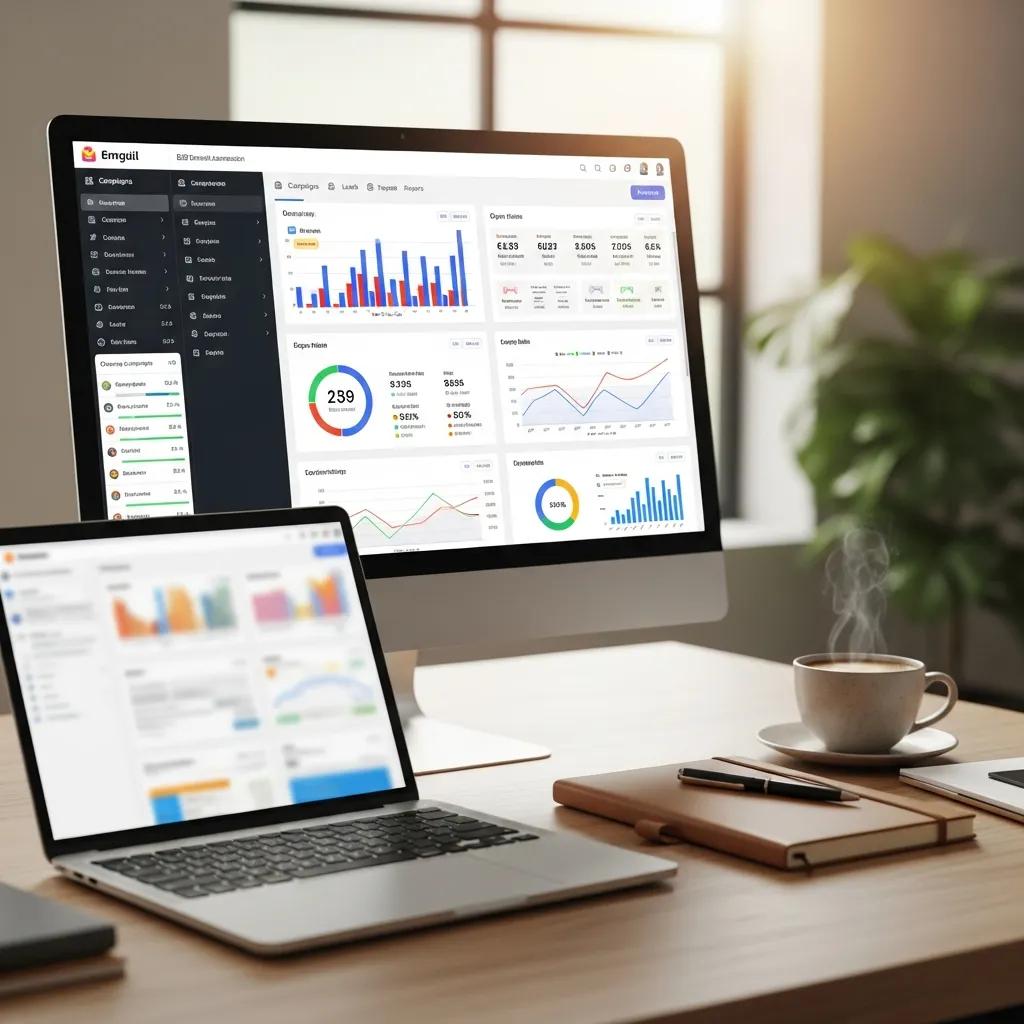
B2B outreach automation tools play a crucial role in enhancing lead generation performance. These platforms streamline the lead qualification process, allowing businesses to manage their outreach efforts more effectively. By automating repetitive tasks, companies can focus on building relationships with potential clients rather than getting bogged down in administrative work.
How Do Automation Platforms Streamline Lead Qualification Processes?
Automation platforms significantly streamline lead qualification processes by utilizing algorithms and data analytics to assess lead quality. These tools can automatically score leads based on predefined criteria, ensuring that sales teams prioritize high-potential prospects. As a result, businesses experience higher quality leads and increased efficiency, ultimately leading to improved sales outcomes.
What Features Should Agencies Look for in Outreach Automation Software?
When selecting outreach automation software, agencies should consider several key features. Multi-channel communication capabilities allow for outreach across various platforms, enhancing engagement with potential leads. Customizable templates enable personalized messaging, while "analytics for performance tracking" provide insights into campaign effectiveness. These features collectively contribute to a more efficient and effective lead generation process.
How to Choose the Right Lead Generation Model for Your Agency?
Choosing the right lead generation model is critical for maximizing ROI and efficiency. Agencies must assess their specific needs and market conditions to determine whether an outsourced, in-house, or hybrid approach is most suitable. Understanding the strengths and weaknesses of each model can guide this decision-making process.
What Factors Influence the Decision Between Outsourced and In-House Models?
Several factors influence the decision between outsourced and in-house lead generation models. Cost considerations are paramount, as businesses must evaluate their budgets and the potential return on investment for each approach. Control and flexibility also play significant roles, as companies need to determine how much oversight they wish to maintain over their lead generation efforts. Lastly, scalability is a crucial factor, as businesses must consider their growth trajectory and how each model can adapt to changing demands.
How Can Hybrid Approaches Maximize ROI and Efficiency?
Hybrid approaches that combine outsourced and in-house lead generation can maximize ROI and efficiency. By leveraging the strengths of both models, agencies can create a more robust lead generation strategy. For instance, in-house teams can focus on nurturing high-quality leads while outsourcing initial outreach efforts to specialized agencies. This collaborative approach allows for continuous evaluation of technology and "data-driven insights", ensuring that the lead generation process remains agile and effective.